
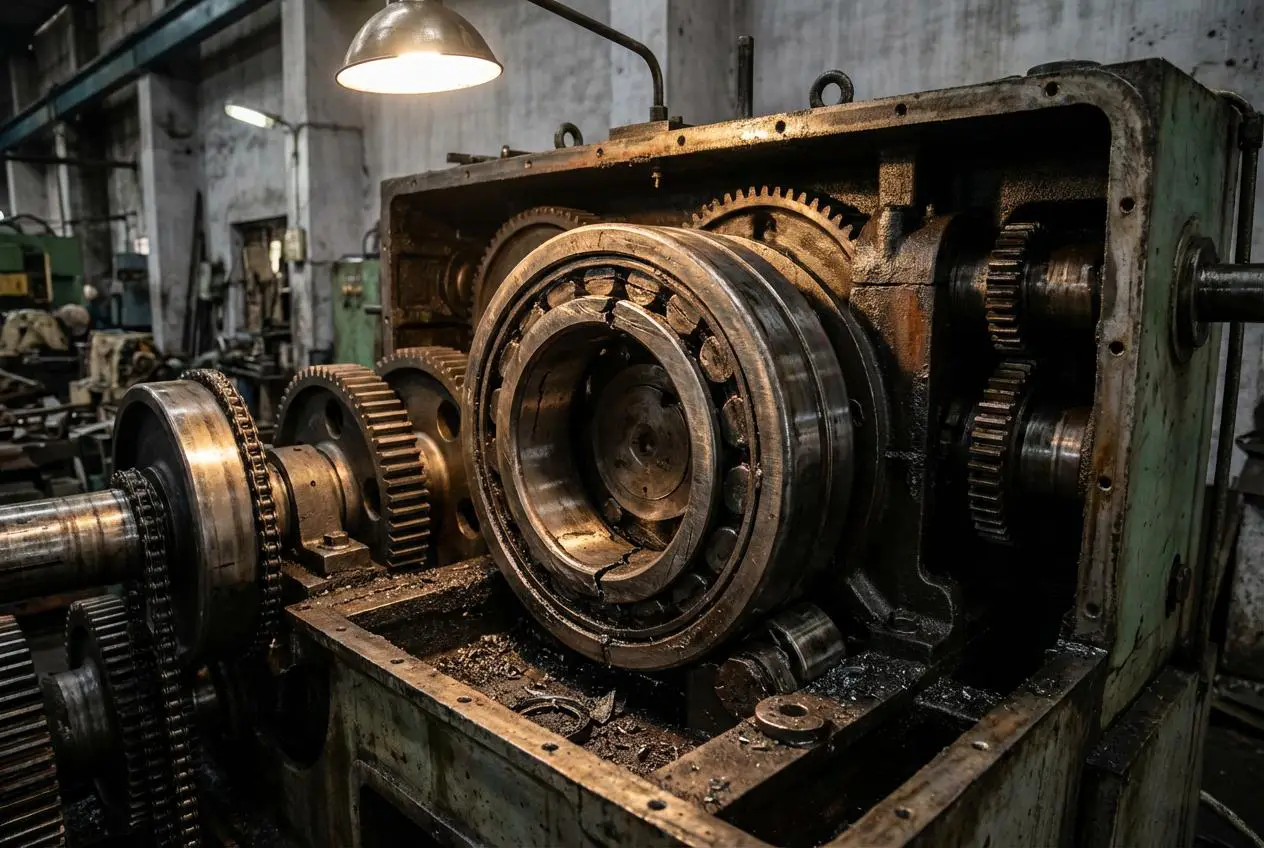
How Rust Affects Industrial Equipment and Why Regular Maintenance Matters
But there's one common problem that can affect machinery, metal components, and production equipment over time.
Rust.
What starts as a small patch of corrosion can eventually lead to equipment damage, additional maintenance costs, and unexpected downtime.
Understanding how rust affects industrial equipment is the first step towards preventing bigger problems.
Why Does Industrial Equipment Develop Rust?
In industrial environments, several factors can increase the risk of corrosion.
These include:
▶ High humidity: Moisture in factories, warehouses, and workshops can encourage corrosion.
▶ Water exposure: Equipment exposed to rain, washing processes, or condensation may develop rust.
▶ Chemical exposure: Certain substances can accelerate corrosion on metal surfaces.
▶ Poor maintenance: Rust that goes unnoticed may gradually spread and cause further damage.
Industrial equipment can also be vulnerable when stored for long periods without proper protection.
4 Ways Rust Can Affect Your Business
Rust can interfere with the movement and operation of metal components.
Corroded parts may experience increased friction, restricted movement, or difficulty functioning correctly.
Over time, this can affect equipment performance and reliability.
Ignoring early signs of rust may lead to more expensive repairs.
What could have been a relatively simple cleaning or maintenance task may eventually require component replacement.
Regular inspection and early intervention can help reduce unnecessary maintenance expenses.
When machinery or equipment fails, production may need to stop temporarily.
For manufacturing businesses, unexpected downtime can affect schedules, productivity, and delivery commitments.
Preventive maintenance helps identify potential problems before they disrupt operations.
Industrial machinery often represents a significant investment.
Corrosion can gradually deteriorate metal surfaces, weakening components and reducing their useful service life.
Protecting equipment against rust can help businesses get more value from their existing assets.
How Can Businesses Manage Rust More Effectively?
Inspect equipment regularly. Look for early signs of corrosion on exposed metal surfaces, joints, bolts, and components.
Control moisture exposure. Reduce unnecessary water contact and address condensation where possible.
Use suitable protective coatings. Industrial coatings and corrosion inhibitors can help protect exposed metal surfaces.
Remove surface rust promptly. Address early corrosion before it develops into more serious damage. Components showing significant pitting or structural deterioration should be assessed before continued use.
Choosing the Right Rust Removal Solution
Chemical rust removers can provide another option for treating suitable metal components, particularly where mechanical cleaning is difficult.
Corsolv DR Rust Remover is designed to dissolve rust on compatible metal surfaces.
Its biodegradable and non-flammable formulation makes it an option worth evaluating for selected maintenance applications.
Before industrial use, businesses should confirm material compatibility, follow safety instructions, and assess whether the product meets their operational requirements.
Rust removal should also be followed by appropriate drying and corrosion protection where necessary.
Protect Your Equipment Before Rust Becomes a Bigger Problem
It can affect equipment reliability, increase maintenance costs, and contribute to operational disruptions.
The earlier corrosion is identified and treated, the easier it may be to manage.
Protect your equipment. Reduce unnecessary maintenance. Keep your operations running smoothly.
Discover more about Corsolv Rust Removal Solutions and enquire about their suitability for your maintenance needs.